Commercial Aviation
Cathay Pacific’s 40% Capacity Surge in China Summer Flights 2025
Hong Kong airline expands to 300 weekly mainland China flights targeting economic hubs, backed by HK$100B modernization plan and global route network growth.

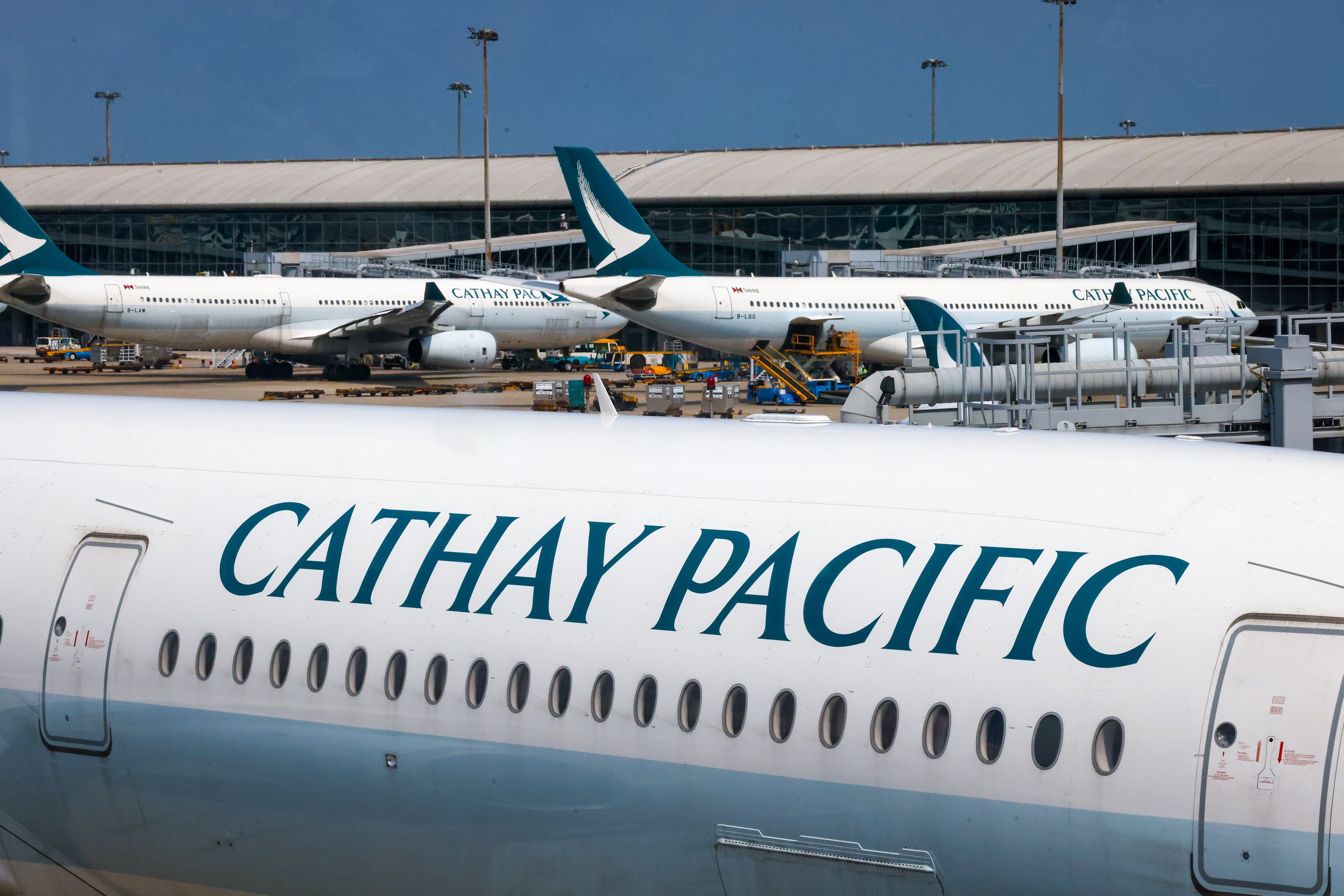
As global air travel continues its post-pandemic recovery, Cathay Pacific has positioned itself at the forefront of Asia’s aviation resurgence. The Hong Kong-based carrier recently announced plans to operate nearly 300 weekly return flights to 20 Chinese destinations during the 2025 summer season, marking a 40% capacity increase compared to 2024. This expansion underscores Cathay’s dual role as both a regional connector and global aviation player.
The move comes as China’s domestic travel market shows robust growth, with IATA reporting a 21.8% year-on-year passenger demand increase in Asia-Pacific for January 2025. For Hong Kong, this expansion represents more than just route development – it’s a strategic play to reinforce its position as an international aviation hub while strengthening economic ties with mainland China.
Cathay’s summer schedule reveals a calculated focus on China’s key economic zones. The Beijing-Tianjin-Hebei megacity cluster and Yangtze River Delta region will receive enhanced connectivity, with Beijing seeing 56 weekly return flights split between Capital and Daxing airports. Shanghai’s dual airports will collectively handle 67 weekly Cathay flights, including 11 weekly services to Hongqiao – a rare international route from this downtown facility.
The carrier is deploying a tiered approach to regional connectivity:
“Our expanded mainland network isn’t just about volume – it’s about creating strategic links between China’s innovation hubs and global markets,” says Lavinia Lau, Cathay’s Chief Customer Officer.
While mainland China forms the core of this expansion, Cathay is simultaneously extending its global reach. The group plans to serve over 100 destinations worldwide by 2025’s end, adding 13 new routes including Dallas, Rome, and Brussels. This dual-axis growth strategy positions Hong Kong as a bridge between China’s economic powerhouses and key Western markets.
The airline’s HK$100 billion investment plan (2025-2032) supports this expansion, funding:
Scaling operations at this pace presents both hurdles and advantages. Cathay plans to increase mainland Chinese staff from 3,000 to 4,000 by 2025’s end, particularly recruiting flight crews fluent in Mandarin and Cantonese. This localization strategy aims to improve service quality for mainland travelers who now constitute 35% of Cathay’s customer base.
The Urumqi route launch (4 weekly flights from April 28) exemplifies Cathay’s niche market strategy. As the first international carrier to offer direct Hong Kong-Xinjiang service, Cathay taps into both business traffic from China’s western development initiatives and adventure tourism demand. Cathay’s expansion arrives as Hong Kong International Airport completes its third runway system, boosting annual capacity to 120 million passengers. Aviation analysts predict the enhanced mainland connectivity could contribute HK$23 billion annually to Hong Kong’s economy through tourism and business travel.
The airline’s cargo division stands to benefit significantly, with increased belly capacity on mainland routes supporting Hong Kong’s position as the world’s busiest air cargo hub. Recent partnerships with SF Express and JD Logistics create integrated supply chain solutions leveraging the expanded passenger network.
“Every new mainland route strengthens Hong Kong’s relevance in the Greater Bay Area ecosystem,” notes aviation analyst Li Wei. “Cathay isn’t just moving passengers – they’re facilitating capital flows and technological exchange.”
Cathay Pacific’s summer expansion represents a strategic inflection point for Asian aviation. By doubling down on mainland China connections while extending global reach, the carrier positions Hong Kong as the Asia-Pacific’s premier transit hub. The 40% capacity increase reflects confidence in sustained travel demand despite economic headwinds.
Looking ahead, Cathay’s success hinges on balancing operational scale with service quality. As the group implements its HK$100 billion modernization plan, industry watchers will monitor how effectively it integrates sustainable practices and digital innovation. With mainland China’s aviation market projected to surpass the US by 2030, Cathay’s current investments may prove prescient in capturing Asia’s next growth wave.
How many destinations is Cathay Pacific adding in 2025? What’s driving Cathay’s focus on mainland China? How will this affect flight prices? Sources:
Cathay Pacific’s Strategic Summer Expansion in China
Focus on Strategic Economic Regions
Global Network Synergy
Operational Challenges and Opportunities
Economic Implications and Future Outlook
Conclusion
FAQ
Cathay will add 13 new global destinations including Dallas and Rome, plus Urumqi as its 20th mainland Chinese destination.
Post-pandemic recovery, Hong Kong’s hub strategy, and China’s projected 8.2% annual growth in outbound travel through 2030.
Increased capacity typically stabilizes fares, but premium cabin demand on key routes may maintain pricing power.
Travel Radar,
Cathay Pacific News,
China Daily