Airlines Strategy
Oman Air Cuts 1000 Jobs in Major Financial Restructuring
Oman Air reduces workforce by 23%, prioritizes national employment, and modernizes fleet to address $1.3B debt under Vision 2040 economic plan.

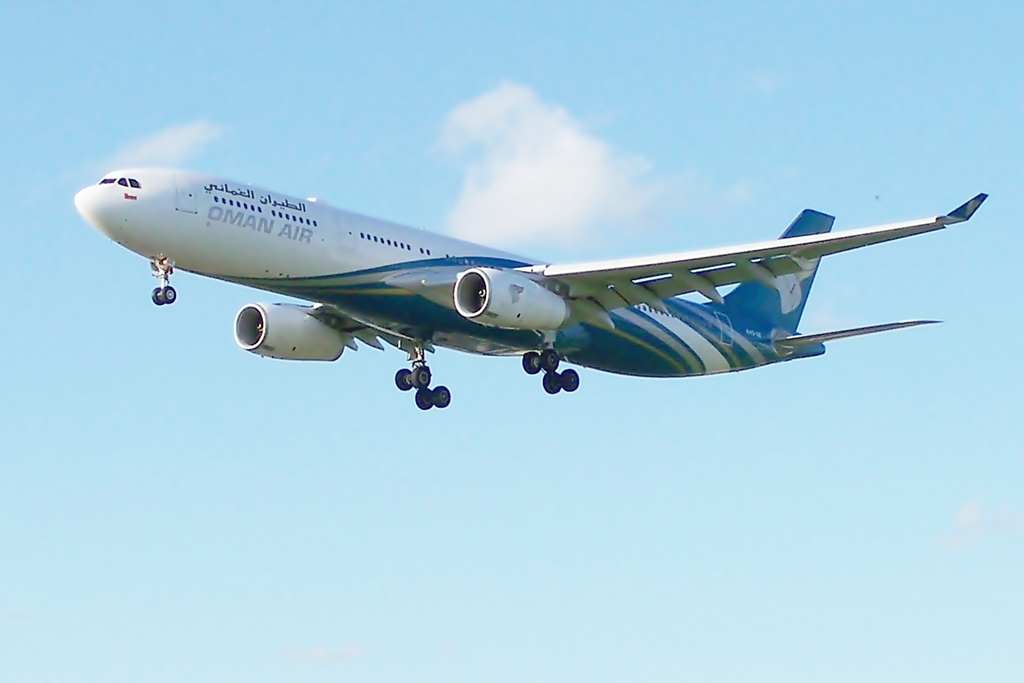

Oman Air’s Workforce Restructuring: A Strategic Overhaul
Oman Air’s recent decision to terminate 1,000 employees marks a pivotal moment in its ongoing efforts to achieve financial stability. As the national carrier of Oman, the airline has faced mounting pressure to address years of accumulated losses, which averaged $390 million annually over the past decade. This restructuring reflects broader challenges in the aviation sector, where airlines globally are recalibrating operations post-pandemic.
The workforce reduction aligns with Oman’s Vision 2040 economic diversification plan, which emphasizes sustainable growth and workforce nationalization. By cutting staff levels from 4,300 to 3,300 employees, Oman Air aims to streamline operations and reduce its reliance on expatriate labor. The move also highlights the delicate balance between fiscal responsibility and maintaining service quality in a competitive regional market.
The Scale of Workforce Reductions
Oman Air’s restructuring eliminated nearly 23% of its workforce, including 500 expatriate roles and 500 Omani positions. Chairman Saeed bin Hamoud Al Maawali revealed that 45% of pre-restructuring staff worked in non-core departments—three times higher than the 15% industry standard. This imbalance necessitated aggressive cuts to align with operational realities.
The airline offered voluntary retirement packages to ease the transition, with 293 employees accepting severance terms ranging from 12 to 24 months’ salary. An additional 310 staff members took similar packages during the restructuring phase. These measures cost the airline $39 million but are projected to yield long-term savings.
“The redundancies were necessary to align staffing with industry standards,” stated Chairman Al Maawali. “Our focus remains on building a sustainable national carrier.”
Financial Context and Operational Realities
Oman Air reported a $187 million loss in 2023, excluding interest and tax obligations. With accumulated debts exceeding $1.3 billion, the carrier faced mounting pressure from stakeholders to implement structural reforms. The workforce reduction forms part of a broader strategy that includes fleet optimization and route network adjustments.
The airline’s active fleet now comprises 33 aircraft, including B737 MAX and B787 Dreamliners, while phasing out older A330s. This modernization effort aims to improve fuel efficiency and align capacity with demand. However, analysts note that staffing cuts alone won’t resolve systemic issues—revenue growth through strategic partnerships remains crucial.
Omanisation and Workforce Nationalization
A key outcome of the restructuring is the increase in Omanisation rates from 74.8% to 79.4%. By replacing 487 expatriate workers with Omani nationals, the airline supports government priorities for local employment. The Ministry of Labour collaborated closely on redeployment efforts, offering affected staff priority access to aviation sector vacancies.
CEO Con Korfiatis emphasized the human element: “Our compassionate approach helped employees transition successfully while maintaining operational continuity.” The airline provided career counseling and extended healthcare benefits to departing staff, setting a benchmark for corporate restructuring in the region.
Industry Implications and Future Outlook
Oman Air’s restructuring mirrors global aviation trends where carriers optimize workforces post-pandemic. Middle Eastern competitors like Emirates and Qatar Airways have implemented similar strategies, though Oman’s smaller market presents unique challenges. The success of this overhaul could influence regional approaches to state-owned airline management.
Challenges in Execution
Critics argue that rapid workforce reductions risk damaging employee morale and service quality. Aviation analyst Mark Martin notes: “While necessary, such cuts require careful change management to maintain safety standards and customer satisfaction.” Oman Air’s ability to balance these factors will determine its competitive position.
The airline faces additional pressure from low-cost regional competitors and shifting travel patterns. With 44 destinations and 93 daily flights pre-restructuring, network optimization will be critical to maximizing revenue from reduced operations.
Conclusion
Oman Air’s workforce restructuring represents a bold attempt to correct years of financial mismanagement. By aligning staffing levels with industry norms and prioritizing national workforce development, the carrier aims to establish a sustainable operational model. The $39 million redundancy package underscores the government’s commitment to social responsibility during this transition.
Looking ahead, the airline’s success will depend on complementary strategies like fleet modernization and partnership development. As Middle Eastern aviation continues evolving, Oman Air’s experiment in rapid restructuring may serve as a case study for national carriers navigating post-pandemic realities.
FAQ
Question: Why did Oman Air cut so many jobs?
Answer: The airline needed to reduce annual losses exceeding $187 million and align its workforce with industry staffing ratios.
Question: How will this affect flight operations?
Answer: Oman Air maintains 93 daily flights using a streamlined fleet, with automation offsetting reduced staff numbers.
Question: What does “Omanisation” mean in this context?
Answer: It refers to increasing the percentage of Omani nationals in the workforce, now at 79.4% post-restructuring.
Sources: ch-aviation, Gulf News, AGBI, The Arabian Stories
Photo Credit: Wikimedia
[mc4wp_form id=1060]