Defense & Military
Maryland Air Guard Shifts from A-10s to Cyber Warfare Leadership
Historic transition sees Maryland Air National Guard retire combat jets for cyber defense, impacting jobs and response times while modernizing military capabilities.


Maryland Air National Guard’s Historic Transition to Cyber Warfare
The Maryland Air National Guard is undergoing its most significant transformation since World War II, transitioning from a 46-year flying mission to becoming the nation’s first cyber-focused Air Guard unit. This shift marks a pivotal moment in military modernization, reflecting evolving national security priorities in an increasingly digital world.
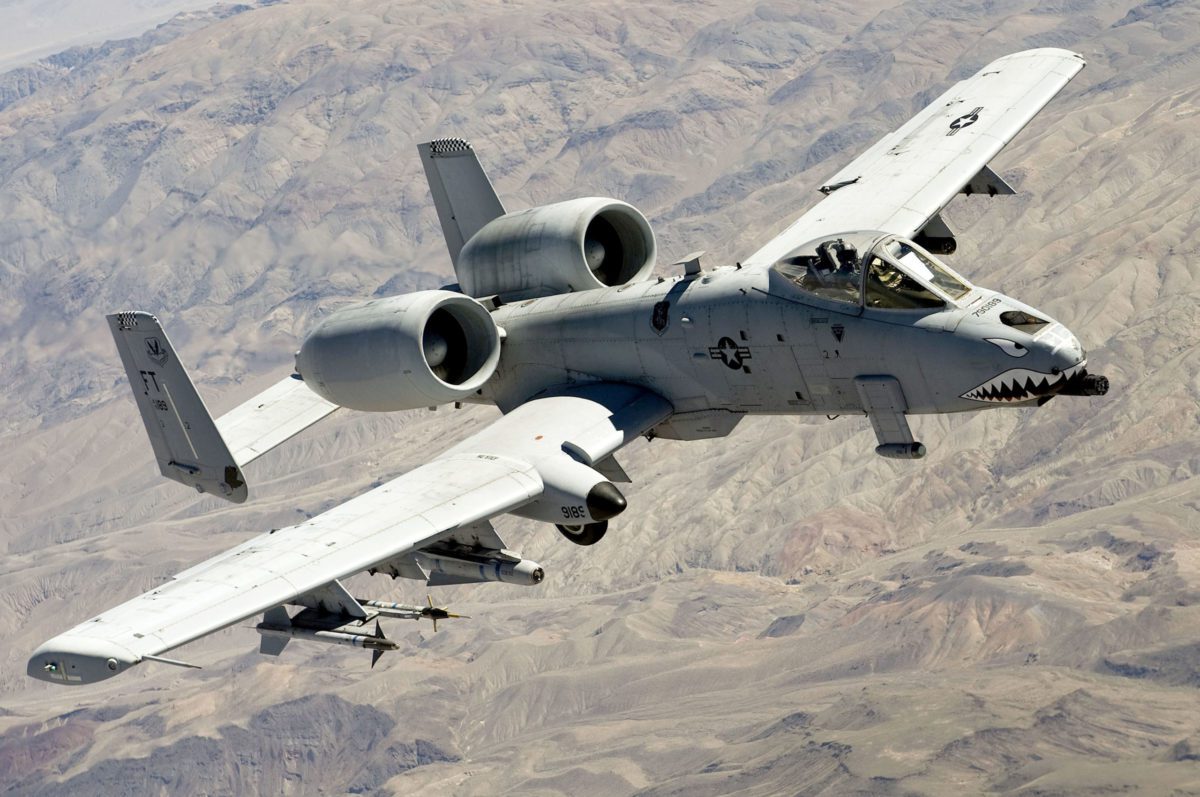
Since 1979, the 175th Wing’s A-10 Thunderbolt IIs have provided crucial close air support for ground troops. The “Warthogs” became legendary for their durability and precision, flying missions in Iraq, Afghanistan, and Syria. Now, the last of these aircraft will head to Arizona’s Davis-Monthan Air Force Base “boneyard,” leaving Maryland as the only state without an Air National Guard flying mission.
End of an Era: A-10 Warthog Retirement
The divestment process began March 26, 2025, with the first A-10C departing Warfield ANG Base. By September, all 21 aircraft will be decommissioned. These planes aren’t just machines – each represents 5,000+ flight hours and countless combat missions. Maintenance crews now prepare them for their final flight to Arizona, where they’ll join 3,400 other retired military aircraft.
This transition comes despite recent combat deployments. In 2023 alone, Maryland’s A-10s flew 82 sorties in the Middle East, dropping 117 precision-guided munitions. The Air Force maintains the 281 remaining A-10s nationwide will stay operational until at least 2030, but Maryland’s early retirement reflects urgent cyber needs.
“We support the troops on the ground. That’s our primary mission,” said retired Brig. Gen. Edward “Chewy” Jones, highlighting the emotional weight of losing this capability.
Building a 21st Century Cyber Force
The new 175th Cyberspace Wing will leverage Maryland’s unique position near Fort Meade, home to U.S. Cyber Command and NSA. Since 2016, the unit’s cyber operations group has grown to 300 personnel conducting network defense and electronic warfare. The transition aims to triple this force by 2028.
Cyber specialists will protect military networks and civilian infrastructure, with training programs already underway at the National Cybersecurity Center of Excellence. This $47 million facility, opened in 2024, simulates attacks on power grids and transportation systems – critical skills as cyber threats cost the U.S. economy $10 billion annually.
Maryland’s congressional delegation secured $32 million in 2025 defense appropriations for the transition, funding new server farms and virtual reality training systems. However, the Guard faces stiff competition for cyber talent against private firms offering six-figure salaries.
Human Impact and Operational Challenges
Approximately 540 maintenance and support jobs hang in the balance. While 220 airmen will retrain for cyber roles, others face uncertain futures. “These technicians have skills you can’t learn overnight,” notes Gen. Jones. The unit’s sheet metal shop alone has 43 specialists averaging 15 years’ experience.
The loss of airlift capacity raises practical concerns. During COVID-19, Maryland’s C-130Js delivered 12 million PPE items. Now, the Guard must rely on units from other states for disaster response. A proposed solution – transferring D.C.’s F-16 squadron – remains stalled in Congress.
“Our Airmen deserve to demonstrate world-class skill in both air and cyberspace,” asserts Maj. Gen. Janeen Birckhead, emphasizing the dual challenges of transition.
Conclusion: Balancing Tradition and Innovation
This historic shift reflects broader military trends – the Air Force plans to reduce A-10s by 33% by 2030 while doubling cyber personnel. Maryland’s experience could blueprint how other units balance legacy systems with emerging threats.
Success hinges on retaining institutional knowledge while attracting tech-savvy recruits. As the Guard’s first cyber wing stands up in 2026, its performance could determine whether other states follow suit – or if Maryland regains airborne capabilities through future aircraft like the NGAD sixth-gen fighter.
FAQ
Why is Maryland losing its A-10s first?
The Air Force prioritized Maryland’s transition due to its proximity to cyber intelligence hubs and existing cyber capabilities dating to 2016.
Will this affect emergency response times?
Yes. Maryland must now coordinate air support from other states, adding 45-90 minutes to disaster response versus having aircraft on alert locally.
Can traditional mechanics transition to cyber roles?
About 40% qualify for retraining, but most require 12-18 months of technical education. The Guard is partnering with UMBC and Johns Hopkins for accelerated programs.
Sources:
Maryland Air National Guard,
Air & Space Forces Magazine,
NBC Washington