Defense & Military
NAS Jacksonville: Balancing Military Readiness & Community Partnership
Explore NAS Jax’s $2.5B economic impact, noise mitigation strategies, and tech-driven training reducing environmental footprint while maintaining combat readiness.

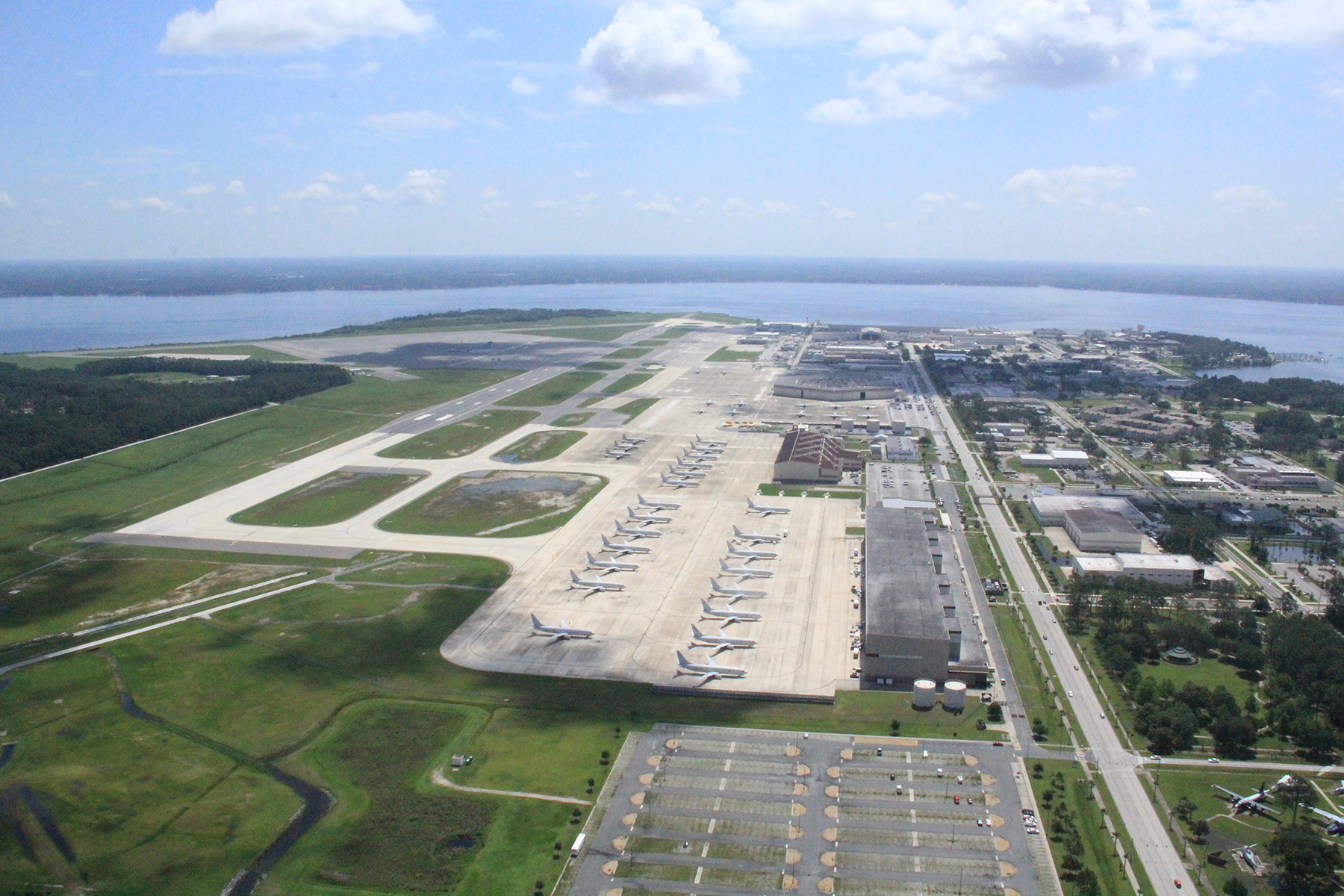

Understanding NAS Jacksonville’s Training Operations and Community Impact
Naval Air Station Jacksonville (NAS Jax) stands as a cornerstone of U.S. military readiness in the Southeast. Established in 1940, this 3,800-acre facility hosts over 100 aircraft and serves as a critical hub for anti-submarine warfare, maritime patrol, and aviation training. Its operations directly support national security objectives while navigating complex relationships with neighboring communities in Northeast Florida.
The base’s dual mission of maintaining combat readiness and fostering community trust creates unique challenges. Recent training exercises have amplified discussions about balancing military necessity with quality-of-life concerns for nearby residents. As one of the Navy’s largest installations, NAS Jax remains vital to both defense strategy and regional economic stability.
Operational Scale and Military Significance
NAS Jax operates seven active duty squadrons, including P-8A Poseidon maritime patrol aircraft and MH-60R Romeo helicopters. These assets conduct 24/7 surveillance missions across the Atlantic, with crews training for high-stakes scenarios like submarine detection and search-and-rescue operations. The station’s annual economic impact exceeds $2.5 billion, supporting over 23,000 military personnel and civilian employees.
Training intensity peaks during quarterly “surge” periods, when pilots complete mandatory flight hours. The Pinecastle Range Complex – the Navy’s only East Coast live-fire range – hosts monthly bombing exercises using inert munitions. These drills maintain crew proficiency but generate noise levels reaching 110 decibels, equivalent to a chainsaw at close range.
“Our aircrews train like they fight,” explains Petty Officer 2nd Class Kimberly Townsend. “The complexity of coordinating submarine hunts with multiple aircraft requires realistic, repetitive drilling.”
Community Relations and Noise Mitigation
Residents within a 15-mile radius receive advance notices of intense training weeks through the NAS Jax Community Connections program. The station’s noise management plan includes flight path rotations and altitude restrictions over residential areas. Despite these measures, 312 noise complaints were filed in 2023, primarily during night-vision goggle training sessions.
Base leadership conducts quarterly town halls to address concerns. Recent infrastructure investments include $4.7 million for soundproofing at six schools near flight paths. Capt. Jack Scorby Jr. emphasizes transparency: “We’ve implemented a real-time noise alert system via text message – over 18,000 locals have subscribed since 2022.”
Economic partnerships further strengthen community ties. The station’s contracting office awarded $143 million to Jacksonville-area businesses last year for services ranging from aircraft maintenance to IT support. This symbiotic relationship helps offset operational disruptions through job creation and local investment.
Technological Advancements in Naval Training
Simulator Integration
NAS Jax has reduced live-flight training hours by 22% since 2020 through $31 million in simulator upgrades. The new P-8A Operational Flight Trainer replicates anti-submarine warfare scenarios with 360-degree visuals, allowing crews to practice torpedo deployments without fuel costs or noise impacts.
Virtual reality systems now handle 40% of initial crew certification tasks. This shift has decreased jet fuel consumption by 650,000 gallons annually while maintaining readiness standards. Maintenance crews also use augmented reality headsets for engine repairs, cutting diagnostic times by 35%.
Environmental Considerations
The base’s environmental office collaborates with Florida Fish and Wildlife to monitor training impacts. Biologists conduct pre-drill surveys at Pinecastle Range to temporarily relocate gopher tortoises and other protected species. Stormwater runoff systems prevent munition residues from reaching the St. Johns River watershed.
Solar panel installations across 47 base buildings now provide 18% of NAS Jax’s energy needs. A recent partnership with Jacksonville Electric Authority aims to achieve net-zero carbon emissions by 2035 through offshore wind investments and electric aircraft tug vehicles.
Conclusion
NAS Jacksonville exemplifies the modern military installation’s dual mandate – maintaining razor-sharp operational readiness while being a responsible community partner. Through technological innovation and proactive engagement, the base continues adapting its century-old mission to 21st-century challenges.
Future developments may see expanded drone operations and AI-assisted training systems further reducing environmental footprints. As global tensions underscore naval aviation’s importance, NAS Jax remains positioned to protect national interests without losing sight of its neighbors’ wellbeing.
FAQ
Why do some training flights occur at night?
Night operations maintain crew proficiency in low-light conditions critical for real-world missions. The base uses night-vision technology to minimize community light pollution.
How accurate are the inert bombs used in training?
Inert munitions replicate the weight and aerodynamics of live weapons without explosive payloads. They allow precise targeting practice while eliminating explosion risks.
Can civilians visit NAS Jacksonville?
The base offers monthly guided tours with advance registration. Visitors must pass background checks and follow strict security protocols during visits.
Sources:
Action News Jax,
Navy Region Southeast,
VPNAVY Historical Records